
The Secret Spread: Sports Betting and the New Addiction No One Is Talking About – Part II

Over the past several weeks, the communal conversation around sports betting has intensified, reflecting both concern and broader recognition of the issue. Educators, parents, clinicians, and community members have begun speaking more openly about this issue. Some have shared that the initial article reflected concerns they had already been observing. This highlights a crucial point: this is not a narrow issue affecting only a small group of teens, but a broader cultural challenge that has been developing quietly for years and now demands sustained attention.

What has become clearer through these conversations is not only how widespread the behavior is, but also how deeply it is woven into the structure of everyday digital life. Recognizing this complexity should not lead to despair—rather, it leads to a clearer understanding of what we are facing. The forces involved are significant, yet they are not beyond our collective ability to shape, provided we keep this issue at the forefront of our communal awareness.

Meaningful communal change rarely happens quickly. More often, it begins with a conversation that takes time to settle and ideas that require space before communities consider substantive shifts. We have seen this pattern with school phone policies, where quiet concerns circulated for years until schools and parents began exploring coordinated approaches. Sports betting may follow a similar path: keeping the conversation active allows understanding to develop, and solutions, in turn, reinforce ongoing reflection.

With that framing, this piece turns to what has emerged most clearly: the layers beneath the problem and several areas where communities can begin working constructively. What we are seeing is not simply gambling. Rather, it is a layered form of digital dependency shaped by four overlapping forces: the gambling activity itself, the reinforcement loops built into the apps, the central role of smartphones in daily life, and the social dynamics amplified through chats and online platforms. Each element strengthens the others, creating behavior patterns different from those experienced by previous generations. This is amplified by the fact that sports betting today is woven directly into the broader sports culture. Whether watching a game on television, following scores online, or using mainstream apps like ESPN, people are repeatedly confronted with ads, prompts, and invitations to bet, making gambling feel like a natural extension of the sports experience.

The betting apps themselves are designed for immediacy. A wager takes seconds, and an outcome triggers another opportunity. The loop is fast and constant, unfolding on the same device teens use for socializing, schoolwork, entertainment, and communication. They do not need to seek out gambling. It arrives packaged alongside everything else.

This complexity matters because it influences how we respond. This is not merely an issue of willpower or values. The architecture surrounding the behavior has changed. A separate article will explore addiction itself, how these behaviors take root, why signs may be subtle, and which assumptions can hinder effective responses. For now, the focus is on practical steps communities can begin taking.

1. Keep the Conversation Open

Gambling hides easily. It leaves no visible traces and often remains unnoticed until underlying harm has already emerged. When communities create space for steady, age-appropriate discussion—in shuls, classrooms, and homes—they create room for awareness, questions, and guidance.

This does not require dramatic presentations. It requires consistency and a willingness to name what is happening. When the topic is spoken about openly, students are more likely to ask questions, parents are more likely to notice early patterns, and schools are better positioned to set expectations. Silence makes concealment easier.

2. Equip Parents With the Information They Are Missing

Many parents have only a partial understanding of how sports betting functions today. They may recognize the names of popular platforms but know little about how quickly bets can be placed, how the apps are designed to sustain engagement, or how digital money transfers can obscure patterns. Parents are not indifferent. They often lack information. Effective education provides a clearer picture of how the systems work, what early indicators look like, and how to initiate grounded, respectful conversations at home.

In practice, that may mean approaching a concerning incident not with immediate alarm but with curiosity: “Help me understand how this worked for you, what you were thinking, how you placed the bet, what it felt like.” This approach opens the door to honest conversation and allows parents to discern whether they are seeing a one-time decision or the beginning of a pattern.

3. Ensure Leadership Is Adequately Informed

People in leadership positions—rabbis, teachers, mechanchim, coaches, youth directors, and others who interact regularly with adolescents—need a basic working understanding of sports betting and the risks it poses. They do not need expertise in addiction treatment, but they do need enough familiarity to recognize early signs, respond appropriately, and avoid unintentionally minimizing behaviors that may signal deeper concerns. Awareness in this area has improved over the years. I can personally speak to the way RIETS has emphasized training and continuing education on these issues, and there are additional organizations and communal initiatives that have played meaningful roles in raising awareness as well. Still, gaps remain. Strengthening this baseline knowledge allows leaders to guide families more effectively and increases the likelihood that concerning patterns will be identified early, when they are most responsive to intervention.

4. Set Clear Institutional Boundaries

Many high schools (and some middle schools) have begun addressing sports betting in thoughtful ways and deserve credit for doing so. Still, isolated assemblies or single presentations cannot counter the speed and scale of the surrounding culture. Schools and camps may benefit from clearer, more coordinated boundaries. This does not require rigid uniformity, but rather greater alignment: schools within the same community communicating about policies, middle schools and high schools ensuring younger students hear consistent expectations, and administrators checking in periodically to share what they are seeing.

Activities that mirror gambling—fantasy leagues, brackets, prediction contests—may seem harmless, but they rehearse the impulses that underlie actual betting. When schools, especially middle schools, establish clear expectations and consistnetly maintain them, the message becomes stronger than any individual program.

5. Build Quiet Pathways for Support

Families who reached out in recent weeks described a common pattern: by the time a concern becomes visible, it is often advanced. With no physical signs and few obvious markers, gambling can remain hidden for long periods. Communities benefit from confidential and accessible support. Rabbanim, clinicians, and organizations such as Amudim, Relief, and CCSA play important roles. Yet families may not always know where to turn or may hesitate to seek help until the situation has escalated.

When these resources are introduced gradually—through routine parent meetings, quiet conversations with rabbanim, or visible but non‑stigmatizing messaging—families are more likely to reach out early, when interventions can be most effective.

6. Strengthen Financial and Digital Responsibility

For many teens, gambling often begins with unmonitored money. Small digital transfers accumulate unnoticed. Ten dollars here or there may seem insignificant until the amounts start to matter. Teaching young people to understand digital payment systems, track spending, and communicate openly about finances strengthens their sense of responsibility and integrity. This approach also creates natural points at which adults can observe emerging patterns.

7. Re‑Center Torah Values

Gambling encourages a mindset that separates reward from effort and impulse from intention. It works against values that ground a life of avodah—discipline, patience, honesty, and the dignity of earned accomplishment. When these values are woven into regular conversations—not as lectures but as part of the shared language of home and school—they help counter the cultural pressures that make gambling appealing.

And so, we will not eliminate sports betting from the world our children currently inhabit. Technology will continue to evolve, and sports culture will continue to expand, but we can influence the environment in meaningful ways.

At present, our goal need not be to solve the problem outright, but rather to shift the landscape. Greater awareness, clearer boundaries, earlier intervention, and stronger education can meaningfully alter the trajectory of many young people who might otherwise drift into patterns harder to reverse.

That work begins with ensuring the conversation does not fade. Sustained awareness allows ideas to mature and solutions to develop. In the coming weeks, the final part of this series will examine addiction more directly, exploring how these behaviors take root and how we can respond with clarity, compassion, and realism moving forward.

Supporting Rabbis and Protecting Congregants: A Shared Communal Responsibility

What happens when the emotional needs people bring to their rabbi far exceed what any rabbi is meant or trained to carry? What are the risks when personal struggle, trauma, anxiety, or crisis becomes directed toward a figure whose role is fundamentally spiritual rather than clinical? And how do we protect both rabbis and congregants when the line between supportive presence and emotional dependence quietly disappears?

These questions arise from a growing reality across many communities.

Halacha Headlines’ latest episode, “Sacred Roles, Serious Risks,” confronts these questions directly. I was privileged to join Rabbi Ari Wasserman as we discussed the shifting emotional landscape in which rabbis, teachers, and communal figures now operate: https://halachaheadlines.com/episodes/sacred-roles-serious-risks-when-rabbis-male-therapists-and-kiruv-professionals-work-with-women/

Anxiety, loneliness, and trauma are rising. Many individuals do not know where to turn. In that vacuum, the rabbi feels accessible, safe, and familiar. He may be the only person someone trusts enough to reveal their struggles.

That instinct is understandable, and it reflects a meaningful relationship that can exist between a rabbi and his community. But it also introduces serious risks. Regardless of how insightful, compassionate, or experienced a rabbi may be, his responsibility is pastoral and spiritual. A therapist’s responsibility is clinical and treatment-focused. These are not simply different skill sets; they are distinct roles, with different goals, expectations, boundaries, and safeguards. This concern applies even to rabbis who hold clinical degrees or advanced counseling training. The core issue is not training but role. The built-in expectations, authority, and ongoing involvement of the rabbi–congregant relationship make it an unsuitable setting for formal therapeutic work, even for rabbis with clinical credentials.

The demands placed on rabbis have fundamentally shifted. It is no longer uncommon for congregants to contact their rabbi frequently, sometimes daily, seeking reassurance, grounding, or help navigating acute emotional distress. Each interaction may seem benign, even positive. Over time, however, these patterns create dependence and mask deeper issues requiring professional intervention. The rabbi begins to assume responsibility not only for halachic or pastoral questions but for someone’s emotional equilibrium. Because rabbis care deeply and want to be responsive, this drift occurs without anyone noticing. This is not a crisis overwhelming every rabbi, nor is it a criticism of rabbis or congregants. It is simply a reality that exists in many settings and therefore needs acknowledgment and clearer management.

When pastoral and clinical roles collapse into one, everyone becomes vulnerable. Most rabbis enter their roles motivated by meaning and service, not expecting to absorb ongoing emotional volatility. Yet functioning in a quasi-therapeutic role without extensive training, supervision, or support quietly accumulates its own toll. I am very familiar with and proud of the great and robust rabbinical training program at RIETS. Still, even with all it provides, there are limits to what any semicha program can prepare a rabbi to handle. Rabbis find themselves responding to crises, trauma disclosures, marital struggles, and complex family dynamics in ways no formal training program was ever designed to address fully. Even rabbis with clinical training face challenges here—the dual relationship of rabbi and therapist creates conflicts that professional ethics explicitly prohibit. Without a framework to navigate these situations, rabbis may internalize pressures that are not theirs to carry, sometimes without realizing the weight they have assumed.

Meanwhile, congregants may not receive the care they actually need. Pastoral wisdom, however valuable, cannot replace clinical treatment for trauma, severe anxiety, or mental health conditions. When someone’s primary emotional anchor is a figure whose role is fundamentally different from a clinician’s, they may miss the intervention that could genuinely help them heal.  The community itself relies on a structure that cannot safely bear the weight placed upon it.

This is precisely why boundaries matter. Clear boundaries are not signs of distance or lack of warmth. They are expressions of responsibility. Boundaries recognize that rabbis and therapists serve different functions, each essential and valuable. They ensure that the right person gives help for the right reasons. They preserve the integrity of spiritual guidance and of mental health treatment. They protect the emotional well-being of those seeking help and the sustainability of those giving it.

In my opinion, our community would benefit profoundly from establishing a basic model of supervision or consultation for rabbis. In the mental health world, supervision is a standard requirement throughout multiple years of training. Even experienced clinicians rely on supervisors to navigate complex situations. Rabbis would benefit greatly from a similar structure—not to turn them into therapists or diminish their authority, but to give them a place to process difficult encounters, recognize situations exceeding their role, and receive guidance on responding responsibly.

There are, of course, settings where less structured versions of this already exist. Some organizations have developed peer-consultation models, and many rabbis consult informally with trusted colleagues. These efforts are valuable and deserve real appreciation. At the same time, peer support is not always a full substitute for structured supervision. Certain situations, because of their emotional complexity or sensitivity, may require guidance that extends beyond what peers alone can provide. This does not diminish the worth of peer frameworks, it simply acknowledges that rabbis may need a range of supports to address the challenges they encounter.

Creating such a model is not a critique of rabbinic competency. It is an affirmation of their humanity and a recognition of contemporary community realities. A structured system, whether within rabbinic institutions or coordinated externally, could significantly improve the well-being of rabbis, congregants, and the broader community.

While the podcast conversation focused primarily on rabbis, especially given the questions raised about boundaries between men and women, it is important to acknowledge that many of the dynamics described here apply to rebbetzins as well. Their roles often place them at the center of emotionally complex situations, and they, too, can find themselves carrying responsibilities that extend beyond what is sustainable or appropriate. This deserves its own fuller discussion, but it should be recognized within the context of this one.

Ultimately, this issue is about all of us. It is about acknowledging the pressures individuals carry and the emotional expectations placed on rabbis, and recognizing the structural gaps that appear when communal needs evolve faster than communal frameworks. For anyone who cares about communal wellbeing, rabbinic leadership, or mental health, this conversation is worth continuing—not to criticize but to understand, and not to assign blame but to build something healthier together.

I encourage you to listen to the conversation with Rabbi Wasserman. Then ask: What would supervision or consultation for rabbis look like in your community? How can we better distinguish pastoral care from clinical treatment? What systems need to be in place so that both rabbis and congregants receive the support they deserve?

These questions won’t answer themselves, but they are answerable.


Note: While the full episode features multiple perspectives, I stand behind the views expressed in my own interview, which are the only ones that necessarily reflect my perspective.

A Private Shiva: Continuing the Conversation and Responding to Concerns

I appreciate the thoughtful feedback offered by Rabbi Aaron Reichel, published in the Jewish Press, in response to my recent reflections on the mourning process. I am grateful that he engaged the topic seriously and with evident care for halacha, pastoral sensitivity, and communal well-being.

One impression his letter conveyed is that my article suggested a new norm or alternative template for how shiva should be structured. Let me clarify what was evident from the outset: the classic, open, community-oriented shiva remains the ideal halachic model and an extraordinarily valuable one. We should continue to preserve, support, and promote it.

The purpose of the original piece was far narrower. It was to create space for the small but significant subset of situations in which one or more mourners find themselves emotionally, psychologically, or practically unable to participate in a full traditional shiva framework. These cases are not theoretical. They exist quietly in many homes and far more often than we tend to acknowledge. When such circumstances arise, honoring the dignity and emotional reality of the mourner is not a departure from halacha but entirely consistent with it.

The Core Halachic Question

Before addressing the specific concerns raised, it is important to note that the discussion here is not about whether a person is obligated to sit shiva. That obligation may apply in most cases, although halacha does recognize situations in which aspects of aveilus are suspended or modified. The question at hand is altogether different. It concerns whether a mourner is halachically required to receive visitors regardless of that mourner’s emotional readiness. The obligation to observe shiva is not synonymous with a commitment to host a steady flow of visitors. The framework of nichum aveilim is governed by the mourner’s expressed capacity and desire to engage.

What follows is an effort to articulate that point with greater clarity, respond directly to the concerns raised, and ground the discussion in halachic and pastoral principles.

1. Nichum Aveilim is for the Subject, Not the Object

The mitzvah of nichum aveilim is designed to comfort a human being in pain. Halacha defines this interaction with great precision, placing primary emphasis on the expressed needs of the mourner, rather than on what visitors imagine the mourner should need, or on the needs of the visitor.

The Shulchan Aruch in Yoreh Deah 376 states explicitly that visitors should not initiate conversation and that once the mourner indicates that the interaction has reached its limit, even through a minimal gesture, visitors are no longer permitted to remain. These formulations are not suggestions. They are binding halachic parameters that structure the entire experience.

On this point, I agree with Rabbi Reichel’s statement that the Rabbis knew exactly what they were doing in shaping the mourning process. My argument does not challenge rabbinic wisdom. It applies it. The halachic model does not expect mourners to perform emotional availability. It expects visitors to respect the emotional boundaries that the mourner actually expresses. This is not a contemporary therapeutic insight. It is the halachic framework itself.

For this reason, when a mourner finds conversation overwhelming or when the presence of visitors becomes emotionally difficult, accommodating that reality is not a leniency and not a concession. It is part of the halachic structure of the mitzvah itself.

2. Overwhelm, Not Just Withdrawal

Rabbi Reichel correctly notes that unmitigated withdrawal after loss can have harmful long-term consequences. That is true. But the cases I addressed are not primarily cases of withdrawal. They involve overwhelm. There is a profound difference between depressive avoidance and the inability to manage constant emotional stimulation while still in shock, trauma, or exhaustion.

For some mourners, an open-door shiva does not alleviate isolation; it increases distress. Contemporary pastoral literature notes that many mourners fulfill and benefit from shiva through quiet presence rather than conversation. Silent companionship is often the most authentic expression of nichum aveilim.

3. Alternatives Are Helpful, But Not Always Sufficient

Rabbi Reichel suggests several strategies as preferable to private shiva, such as limiting hours, restricting topics, waiting for cues, or stepping out when needed. These approaches are useful in many situations.

However, they do not address cases in which the flow of visitors itself is destabilizing or emotionally unsafe. Suggesting that a mourner repeatedly exit, redirect, or manage boundaries places the entire burden of emotional regulation on someone already in acute pain.

Halachic authorities caution against overburdening mourners, and many contemporary guides acknowledge the legitimacy of firm visiting hours or limited access based on the mourner’s needs. Yet even these measures do not always suffice. There are situations in which a more structured and private environment is necessary for the mourner’s well-being.

4. Shiva Within a Family Is Not a Referendum

Rabbi Reichel raises thoughtful questions about families with differing needs. Must every member of a household conform to one mourner’s preference? What if another family member wants visitors? What if a minor needs support or a sibling requires a more traditional expression of comfort?

Halacha acknowledges that grief is an individual experience, not a collective one. Different family members may have vastly different emotional needs. Accommodations need not be all or nothing. Staggered visiting times, separate spaces, or individualized plans are all possible. The goal is never to close doors for those who seek traditional comfort. It is to avoid forcing someone, often the most emotionally fragile mourner, into an environment that may cause harm.

5. The Mitzvah Belongs to the Mourner, Not to the Visitor

Rabbi Reichel notes that visitors derive meaning and spiritual benefit from offering comfort. This is true. Many visitors experience connection and elevation through the mitzvah of nichum aveilim. And yet the halacha is clear that the mitzvah is oriented toward the mourner’s comfort, not the visitor’s fulfillment.

Visitors fulfill the mitzvah even in complete silence. Remaining silent until the mourner chooses to speak is part of the halachic structure itself. Silent presence, brief presence, or restricted presence all count fully. The visitor’s desire to offer comfort cannot override a mourner’s emotional boundaries. The mitzvah exists for the mourner.

6. Personal Anecdotes Cannot Be Universalized

Rabbi Reichel’s story of a rabbi who initially resisted visitors and ultimately drew strength from them is moving and entirely valid. I could offer many similar stories of my own. There is no question that for some individuals, the shiva process can prove deeply cathartic and profoundly healing. At the same time, I can also share personal accounts of mourners who, long after the week ended, had to recover not from the loss of their relative but from the emotional pain they endured through the shiva process itself.

The point is not to compare stories. Personal anecdotes, no matter how powerful, cannot establish a rule. They illustrate the range of human experience, but they do not determine what should be expected of every mourner in every circumstance. Our responsibility is to meet each mourner where that person truly is, guided by halacha and by genuine sensitivity, not by assumptions drawn from the experiences of others.

7. Preserving the Classic Model, Making Space for the Exceptions

Nothing in my original article advocated moving away from the classic shiva framework. The vast majority of shivas should remain exactly as they have always been, open, communal, comforting, and centered on shared grief.

My intention was far more modest: to acknowledge that for a minority of mourners, the standard model is not emotionally sustainable and that in those cases, halacha itself provides flexibility, and compassion demands it. A shiva that honors the mourner’s stated needs, whether full, partial, or limited, is not a diminished shiva. It is a faithful one.

Conclusion

Rabbi Reichel concludes with the assertion that “there are no limits to the benefits that accrue from traditional public shiva visits.” I understand the sentiment behind this line, but it is simply not supported by the experience of many mourners. There are, in fact, limits to those benefits, and for some individuals, the limits are quite pronounced. In certain situations, there can even be emotional harm. I was aware of this long before writing the original article, but the responses I received afterward from individuals in a wide range of circumstances only reinforced it. Some described distress, anxiety, or retraumatization that arose not from their loss but from the nature or volume of the shiva experience itself. These accounts do not detract from the immense value of a traditional shiva for those who find it comforting. They do, however, remind us that its benefits are not universal and that our communal practice must be broad enough to recognize and support those for whom the standard model is not emotionally safe or sustainable.

I am grateful to Rabbi Reichel for his engagement and his genuine concern for preserving the integrity and power of the shiva experience. On that goal, we are aligned. My hope is not to alter communal norms but to ensure that within those norms we recognize and dignify the lived reality of all mourners, including those for whom the standard structure is overwhelming.

We honor the mitzvah most fully when we remember that it was designed not to protect a structure but to uplift a human being.

The Secret Spread: Sports Betting and the New Addiction No One Is Talking About

We have a serious problem and, as far as I can tell, nobody is talking about it.

Over the past couple of years, I’ve been hearing from rabbinic colleagues, mental health professionals, educators, and families about a growing pattern that can no longer be ignored.  Gambling and sports betting, most often through phone apps, have quietly become among the fastest-spreading addictions in our community.

Almost always, it occurs in secret. Yet, at the same time, it’s hiding in plain sight. Conversations about “the spread,” casual bets on a fantasy team, constant comments about parlays – they’re happening in shuls, yeshiva dorms, and high school lunchrooms. What may seem like harmless sports talk is, in many cases, something much more serious.

In almost three decades of public life in communal leadership, I cannot recall another issue with such a dramatic gap between the scope of the problem and the absence of public conversation.

If you’re reading this, you fall into one of two groups. Either you already know exactly what I’m talking about, you’ve seen it, heard about it, maybe even dealt with it up close, or you think I’m overstating the case. If you’re in that second group, just ask. Ask a rebbe, a guidance counselor, a camp director, a college student, or a teenager. Trust me, you won’t have to ask twice.

The spread is real, the harm is real, and the silence is deafening.

Since the Supreme Court lifted federal restrictions on sports betting in 2018, gambling has exploded across the country. In 2024, Americans wagered nearly $150 billion, the highest total ever recorded. Thirty-eight states now allow sports betting, and most permit it online. Gambling no longer takes place mainly in casinos; it happens at home, in schools, or anywhere your phone can locate a signal.

A landmark multi-year survey of 19 yeshiva high schools in the New York tri-state area, encompassing thousands of students, found that Orthodox teens gamble at higher rates than their peers in the general population, with sports betting leading the way. The research, first highlighted several years ago and since replicated, reveals something deeply consistent: this is not a marginal issue. It’s a sustained trend, a uniquely persistent problem in our community.

Still, most parents and educators react with disbelief. We assume “our kids” are immune. We imagine that structure, spiritual grounding, and a close-knit community will protect them. Yet the very privacy that defines modern life, the screens, the apps, and the individual accounts, creates the perfect cover. Gambling doesn’t need rebellion to thrive, only secrecy. And while the concern often centers on teenagers, the problem extends well beyond them. Rabbanim and therapists are now hearing similar stories from adults, parents, professionals, and even community leaders quietly struggling with the same behaviors. It is not only a youth issue but a communal one, and like all addictions, it preys on the very values we often admire: energy, competition, and social connection. It takes what feels normal and turns it into a compulsion.

Some might argue that casual betting is harmless, a few dollars on a Super Bowl pool, a fantasy league among friends. But the line between playful and destructive is thinner than most realize. The same mechanisms that make these games exciting, risk, suspense, reward are the same ones that drive addictive behavior. For an increasing number of people, what starts as entertainment becomes a dependency.

Technology has accelerated that shift. Gambling apps are built for speed, privacy, and constant engagement. Teens can fake birth dates, use prepaid cards, or tap into shared family accounts. With Venmo, Apple Pay, and digital wallets, money moves instantly and invisibly. A generation ago, a teenager might have asked for twenty dollars in cash, and by the third time that week, a parent would start asking questions. That safeguard is gone. The transactions are quiet, seamless, and easy to miss, until the losses start adding up.

This is no longer a potential problem waiting on the horizon. It is already here, unfolding in front of us, whether we choose to look or not. The data, the stories, and the steady rise in concern from educators and therapists all point to the same conclusion: our community is facing an emerging addiction crisis that we are barely acknowledging.

Before we can begin to address it, we need to say it plainly: gambling has entered our homes, our schools, and our culture. The first step is to stop pretending it hasn’t.

I have intentionally paused here. In a follow-up piece to be published shortly, I plan to share some thoughts on what we as a community can begin to do, practically, responsibly, and with care, to address this growing issue. But first, we need to confront it honestly, to acknowledge and name the problem before we can talk about solutions.

Awareness alone won’t solve this, but silence guarantees that it will grow. A community that looks away while addiction spreads in its midst cannot call itself healthy. The question isn’t whether gambling has reached us—it has. The only question is how long we’ll keep pretending it hasn’t.

A Private Shiva? Comforting a Subject, Not Handling an Object

Private shiva? Whoever heard of such a thing? Isn’t that almost an oxymoron? Shiva, by its very definition, is public. The mourners open their homes, welcoming visitors who allow others to step into their grief and share the burden with them. That is the ritual we all know.

Recently, a situation in our community gave rise to this very question. A family requested a private shiva as a way of observing their mourning in a more personal setting. What prompted me to reflect was not the request itself, but some of the reactions it generated. A few expressed feeling disappointed at not being able to fulfill the mitzvah of nichum aveilim. Others wondered aloud why a family would choose to do this. Those responses revealed a genuine confusion about the nature of comfort and provided an opportunity to explore a perspective that, while familiar to some, might be less intuitive to others.

And yet, for some, the very fact that such a request could be made felt confusing, even objectionable. After all, isn’t there a mitzvah of nichum aveilim? Aren’t we commanded to visit and to comfort? Some even felt denied an opportunity, as if they were robbed of a mitzvah. Others, despite hearing the request, couldn’t resist the urge to reach out, to ask why, to insist on being present anyway. In several cases, these reactions were not shared privately or in passing conversation, but were directed to the mourners themselves, people in the midst of their own grief, now faced with the additional burden of justifying their choices. But this reaction misses something fundamental about what comfort actually means.

Nichum aveilim is indeed a mitzvah, but it is not like eating matzah or shaking a lulav, where the mitzvah is fulfilled through contact with an object. Matzah and lulav are objects; they have no will, no preferences, no capacity to refuse our interaction with them. Nichum aveilim centers on a person, a subject with feelings, needs, and agency. A person who can say yes or no, who has inner experiences we cannot access, who may need something entirely different from what we assume.

Our rabbis teach us that even in the traditional setting of shiva, the mourner leads. The halacha directs us not to begin speaking until the mourner speaks first. Even when we are sitting in the same room, the mitzvah unfolds on their terms, not ours. When we treat a mourner like an object for our mitzvah fulfillment, something we act upon to discharge our obligation, we have fundamentally misunderstood the nature of comfort itself.

When the Torah describes our duty to give assistance, it doesn’t simply command us to “give.” It teaches dei machsoro asher yechsar lo (Devarim 15:8) — meaning provide whatever is sufficient to meet that need, nothing more and nothing less. Our rabbis explain that this could mean food, clothing, or shelter. It might also mean restoring dignity or purpose, even through something that others might view as a luxury. The Torah’s concern is not with what appears objectively necessary but with what this specific person truly needs. The focus is on the subject, not the giver, and the sensitivity to what he or she may require to begin healing.

Nichum aveilim operates by the same logic. Sometimes a mourner needs the warmth of community surrounding them. Sometimes they need people to simply sit in silence. And sometimes, perhaps more often than we realize, what they need most desperately is space to grieve without performance, without explanation, without the exhausting weight of hosting others’ good intentions. To honor that request is not to abandon the mitzvah. It is the mitzvah.

Why would a mourner ask for privacy? From the outside, I admit to some hesitation even in answering that question. To do so almost undermines the very point being made — that the reasons belong to the mourner and are, in truth, none of our business. Even so, there are countless possible reasons, each valid in its own right and beyond our right to question. The relationship with the deceased may have carried its own wounds and pain, and the idea of revisiting it with others could intensify the grief. The mourner may be carrying wounds that outsiders can’t see. Sometimes the pressure of re-telling the story, again and again, feels unbearable. And sometimes the person simply lacks the strength to host, even well-intentioned visitors can feel overwhelming. In all of these cases, the responsibility of chesed is to trust the mourner’s voice. Not to question, not to speculate, and certainly not to push back.

When someone shares only part of a medical journey, or hints at family struggles, they are choosing what to disclose. The mitzvah is not to press for details, not to probe for more, but to respect the boundary they have set. True chesed often means resisting our curiosity, silencing our questions, and accepting that we are not entitled to know everything.

Even after shiva concludes, the spirit of that request remains. A family that asks for a private shiva is also, by implication, asking for privacy in the weeks that follow. It was shared with me that even long after the mourning period had ended, well-intentioned people still reached out with comments that began, “I know you wanted a private shiva, but…” Those words, however kindly meant, miss the same point. When someone has set a boundary, revisiting it later does not honor their healing — it reopens what they have asked to protect. Respecting privacy is not a temporary courtesy; it is an ongoing form of compassion.

Ultimately, the lesson extends far beyond mourning. In moments of loss, illness, or struggle, the truest kindness is not measured by presence alone, but by the sensitivity to discern when presence is welcome and when space is sacred. To offer that space is to affirm another person’s dignity, to trust their process, and to show that love need not always arrive at the door to be felt.

We often assume that chesed is measured in what we do, our presence, our words, our actions. But sometimes the truest chesed is measured in what we hold back: the questions we don’t ask, the visits we don’t make, the speculations we don’t voice. When a family requests a private shiva, honoring that request is not missing the mitzvah. It is fulfilling the mitzvah in the most honest way possible.

True nichum aveilim requires us to recognize that the mourner, not the visitor, sets the terms of comfort. Sometimes they need us near, sometimes they need silence, and sometimes they need distance. Real chesed is not about easing our own conscience. It is about giving the mourner what they ask for, even when what they ask for is nothing at all.

Fragile Walls, Unshakable Faith: Rethinking Zman Simchaseinu After October 7

(Summary of drasha delivered at Congregation Beth Aaron on Sukkos, 5786)

Yesterday was October 7, a date forever seared into our collective soul. It has become a tragic landmark of loss and resilience, a day that reshaped Jewish memory. And yet, by a painful twist of the calendar, the holiday of Sukkos is now bound to that day. The secular date, of course, will not always coincide with Sukkos, but the Hebrew date—the day of Shemini Atzeres—always will. The horror that unfolded on that holy day has fused itself permanently with the festival’s conclusion. And so the question inevitably arises: can we ever celebrate Sukkos again in an unshadowed way? Can Zman Simchaseinu, the “Season of Our Joy,” remain pure when so much trauma is now tied to these very days? Or will our joy forever carry the faint sound of heartbreak?

Even before October 7, Zman Simchaseinu was always a mysterious phrase. Every other chag defines its joy. Pesach is Zman Cheiruseinu, the time of our liberation. Shavuos is Zman Matan Toraseinu, the time of the giving of the Torah. Even Yom Kippur, though somber, is remembered by Chazal as one of the most joyous days in our calendar, because it is a day of forgiveness and renewal. But Sukkos offers no explanation. The Torah simply commands us to rejoice. There is no explicit cause, no stated reason, no narrative of redemption or miracle. If you ask a child why we celebrate Sukkos, they might answer, “Because we sit in the sukkah.” But that’s not an explanation—it’s a description. The sukkah itself becomes the setting for joy, not its source. So what exactly are we happy about?

Perhaps the answer lies in how we understand joy itself. Most people experience happiness as something reactive. I’m happy because I received good news, because something good happened to me, because a blessing came my way. That kind of joy is conditional—it depends on external circumstances. But there is another kind of joy, one that is deeper and more enduring. It is not tied to events but flows from within, a quiet sense of stability and faith. This kind of joy is not the thrill of celebration but the calm of trust. It is the serenity of knowing that life, with all of its uncertainties, remains guided by the hand of Hashem. It is the peace that comes from being anchored, even when the winds around us are unpredictable.

There is a remarkable passage in the Gemara (Berachos 60b) that reveals the essence of this kind of joy. When one recites the blessing Baruch Dayan HaEmes upon hearing tragic news, the Gemara says it must be said b’simcha—with joy. On the surface, that sounds almost impossible. How could a person in mourning feel joy? But Rashi there explains: “לברך על מדת פורענות בלבב שלם.” To accept suffering b’simcha, says Rashi, means to bless Hashem even for measures of affliction, b’levav shaleim—with a complete heart. This is not the joy of laughter or celebration. It is the experience of serenity, of inner tranquility, of an equanimity that flows from faith. It is the calm assurance that life, with all its pain and uncertainty, remains held by the One who knows.

In this sense, simcha is not exuberance but balance — not the absence of sorrow but the presence of peace. It is what the Serenity Prayer, recited in countless rooms of struggle and renewal, calls the courage “to accept the things I cannot change, the courage to change the things I can, and the wisdom to know the difference.” That timeless plea captures the essence of b’levav shaleim — a heart that, though broken, remains whole. To say Dayan HaEmes b’simcha is to affirm that even in the face of loss, I still trust that there is meaning, that Hashem is just, that even when I do not understand, I can rest in His care.

If that is the meaning of simcha, then Zman Simchaseinu takes on new depth. It is not the time when everything is perfect. It is the time when we learn to feel anchored even when nothing feels certain. The sukkah itself is a living expression of this truth. It is the most fragile structure in halacha—its walls sway in the wind, its roof is loose and porous, its protection minimal. Yet that fragility is precisely the point. The sukkah forces us to let go of our illusions of control. When we leave our solid homes and step into this temporary dwelling, we symbolically acknowledge how little in life we truly control. And paradoxically, that very recognition becomes a source of comfort. The halacha that exempts a person who is mitzta’er—one who is suffering—from the sukkah, is not merely a technicality. It reflects the spiritual core of the mitzvah: the sukkah is meant to restore calm. It invites us into a space of faith, a place where fragility itself becomes protection. Beneath the open sky, surrounded by light and shadow, we learn that our security does not come from the walls we build, but from the trust we cultivate.

In the days following the attacks of October 7, I had the privilege to visit Israel, including many of the cities down south—the communities that were struck so brutally by terrorists that day, among them Sderot and other towns near the Gaza border. The streets were filled with the evidence of what had occurred—shattered glass, twisted metal, and shell casings scattered along the sidewalks. Buildings were scarred, cars burned, and signs of destruction and carnage were everywhere. And yet, in the midst of it all, the sukkot were still standing. These structures, meant to have been dismantled, remained upright—empty, brittle, and ghostlike in their stillness, yet hauntingly alive in their defiance. They stood as mute witnesses to tragedy and as testaments to endurance. I later described that scene in Look Who’s Standing. The image of those sukkot refusing to collapse became, for me, a metaphor for our people themselves. They bore the weight of history and pain, yet they still stood. Those sukkot were more than wood and s’chach; they were statements of faith. They seemed to say, wordlessly, that even when everything collapses, something must remain standing.

That image has remained with me ever since. I can still picture the quiet stillness of a neighborhood after Sukkos—the chairs folded, the walls left standing, the branches dry and brittle but still reaching upward. It is impossible not to think of our people in that image—the collective sukkah that somehow, through all the storms of history, remains standing. Those sukkot in Sderot became more than remnants of a holiday. They became sacred symbols of resilience, fragile yet unbroken, witnesses to the enduring shelter of Hashem.

And perhaps that is why October 7 and Sukkos are now bound together. On the surface, it seems we must find a way to reconcile joy and grief, to somehow celebrate despite what happened. But maybe the truth is that we celebrate because of what happened—not because suffering itself is good, but because it reveals what is unshakable. The sukkah was always meant to teach us that joy is not found in permanence but in presence, not in certainty but in surrender. When everything feels unstable, and yet we are still able to sit beneath the stars, under the open sky, surrounded by family and friends, to invite guests and to sing, we experience something profoundly real. Coming as it does after the Days of Awe, when we have achieved a rare clarity of perspective, Sukkos allows us to seize that clarity—to capture it and to live within it. That is the essence of Zman Simchaseinu: to dwell in the sukkah and to feel the peace that comes from knowing we are held, protected, and never alone.

This year, as we step into our sukkos, we do so differently. We carry the memory of October 7 with us. We remember what it means to lose, to fear, to ache. But we also remember the sukkah that still stands, the fragile shelter that somehow holds steady against the wind. Our joy this year is quieter, more reflective, but perhaps deeper than ever before. It is not naive joy but steadfast joy. Not a joy that forgets pain, but a joy that grows out of it. Zman Simchaseinu this year is not about being happy because all is well. It is about being at peace because, even when all is not well, Hashem is still with us. In the fragile shelter beneath the open heavens, we rediscover what it means to stand.

A World Crying Out for Repair

Twenty-four years ago this week, in the days after 9/11, I stood in shul and tried to put into words what felt unspeakable. I remember describing the darkness, the paralysis, the sheer inability to process the enormity of what had happened. Evil in its purest form had broken into our lives, and we were left numb and ashamed at what humanity was capable of.

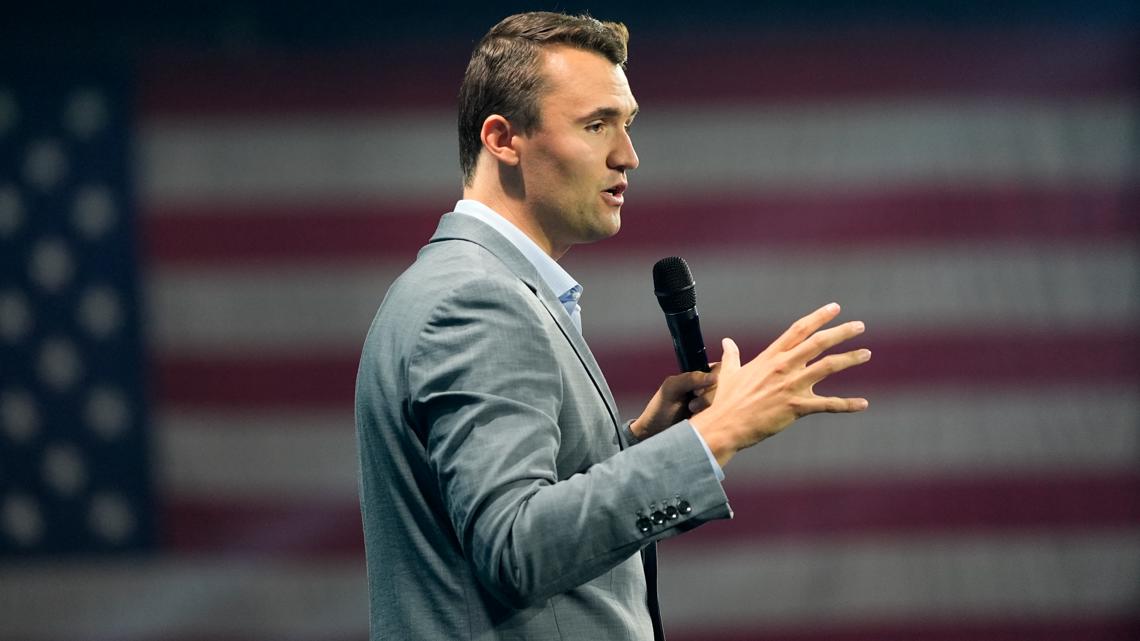
At this moment, in the aftermath of the assassination of Charlie Kirk, I feel a similar horror rising again. A young man, a voice of clarity, hope, and conviction for so many, murdered in broad daylight — a political killing in America. It is staggering. It is enraging. It exposes in the most brutal way the fractures and sickness that run through our society.

Rosh Hashanah is only days away. During this time of year, we reflect on the “Book of Life” and how uncertain our fates truly are. Those words often seem abstract, but in moments like this, they crash down with unbearable force. Life is, in fact, so fragile. We wake up in the morning, assuming we will have the evening. We go about our routines unaware of how thin the line really is between stability and chaos, between life and death.

This is not a moment for platitudes. It is a moment of despair, of outrage, of grief for a life stolen and for the world that made such a crime possible. But if there is any response worthy of the season we are in, it is to insist that despair not be the last word. Rosh Hashanah is not only about the awe of judgment — it is about the possibility of renewal. It is about the world we beg for: a world of justice, of compassion, of peace.

The assassination of Charlie Kirk is a massive tragedy in its own right. But it is also a mirror — reflecting back to us how deeply torn and broken our public life has become. It should shake us not only because a courageous leader is gone, but because it forces us to confront what we have allowed our society to become.

On Rosh Hashanah we will recite words that feel almost unbearable in their urgency: “וכל הרשעה כולה כעשן תכלה, כי תעביר ממשלת זדון מן הארץ…” “All wickedness will vanish like smoke, when You remove the rule of evil from the earth.”

These words don’t feel distant this year. They feel like a cry. A broken world, once again marked by senseless blood, by hatred that has gone too far. They remind us how much is broken, how much has been lost, and how badly we need repair.

And yet, even in the heaviness, we cling to the faint but urgent demand of these words — that wickedness not be the last word, that cruelty not be the only story we tell. The pain is raw, the fractures are deep, but these words also insist that another world is possible. Not easily, not automatically, but only if we refuse to grow numb, only if we choose to see in this tragedy not just loss but also the call to change.

That is the task of this season, and of this moment: to stand in grief, to name the brokenness honestly, and still to refuse to give up on the possibility of a repaired world.

Sleep Is the Rival: Netflix Knows It, Selichos Answers It

A few years ago, Netflix CEO Reed Hastings was asked who his company’s number one competitor was. People expected him to say HBO or Amazon. Instead, he answered in one word: sleep. “We’re competing with sleep,” he said, “and we’re winning.”

It was meant as a clever business comment, yet the words strike closer to home than he may have intended. Sleep is not just Netflix’s competitor. Sleep is the force that pulls us away from awareness, from choice, from responsibility. It is the line between living awake and drifting through life half-conscious.

And that is exactly the tension of selichos.

There is something almost absurd about setting an alarm for 4:00 a.m. The house is still, the streets silent, the world wrapped in that heavy darkness that belongs only to the hours before dawn. And yet, beginning this Motzaei Shabbos, Jews across the world will gather for selichos. The first night begins at chatzos, but from then on, we set our alarms for the early hours, dragging ourselves out of bed long before daybreak.

But here is the paradox: wouldn’t it make more sense to pray at a time when we are awake, rested, and able to focus? Selichos demands that we come before Hashem in the very hours when concentration is hardest, when fatigue clouds the mind. On the surface, it feels almost like self-sabotage — deliberately weakening our capacity for the very prayers we are meant to say with intensity.

Our halachic tradition insists on this timing. The Rambam already describes Jews during the Ten Days of Repentance who would get up at night and pray in shul with words of pleading until daybreak. The Shulchan Aruch later codifies the practice, noting the custom to rise ba’ashmores to recite selichos and supplications. Mystical sources add that these hours are an et ratzon, a time of special divine receptivity. However one explains it, the message is clear: selichos belong not to the convenient hours, but to the ones when sleep feels most natural.

And so the question only deepens: why?

The Vilna Gaon, citing the Zohar, frames Yonah as more than a reluctant prophet, fleeing his mission. He represents the human soul — a neshama sent into this world, placed into the body like Yonah descending into the ship. From the very beginning, the soul tends to resist, to flee from responsibility, to run from the spiritual messages that demand growth and change.

But running does not free it from accountability. The Zohar explains that the storm that strikes Yonah’s ship is din — judgment, the inescapable reckoning that follows us wherever we go. However much a person tries to hide, there comes a moment when Hashem’s demand for responsibility cannot be ignored.

And yet, when the storm breaks, Yonah goes to sleep. Instead of facing his accountability, he retreats. That is the human tendency the Zohar is exposing: to close our eyes precisely when we most need to awaken.

Then the captain shakes him with words that echo across centuries: מה לך נרדם? קום קרא אל אלוקיך! — “How can you sleep? Get up, call to your God!”

The captain, says the Zohar, is the yetzer tov, the inner voice of conscience that tries to rouse us before it’s too late. His questions — What is your work? Where do you come from? What is your land? Of what people are you? — are not small talk. They are existential. Who are you? What have you done with your years? What is your destiny? Where are you going?

It is deeply significant that we read Sefer Yonah on Yom Kippur afternoon, at the height of the Yamim Nora’im. Yonah is not a distant character. He is us. And the captain’s cry is ours: מה לך נרדם?

And it is no coincidence that many communities begin selichos with those very words, recast as liturgy: בן אדם, מה לך נרדם? קום קרא בתחנונים. From the opening lines, we are thrust into Yonah’s world, forced to confront the same question: how can you possibly sleep now?

This theme continues throughout the season. On Shabbos or Yom Tov, sleep is a fulfillment of oneg Shabbos. But on Rosh Hashanah, the Rema records a striking custom: not to sleep during the day at all. Of all times, this is not a day for closing our eyes.

And then comes the shofar. The Rambam explains that while the mitzvah is a gezeiras hakasuv, there is also a message:

עורו ישינים משנתכם, ונרדמים הקיצו מתרדמתכם.
“Awaken, sleepers, from your sleep! Rouse yourselves from your slumber!”

The shofar is not a melody. It is an alarm. It does not soothe; it startles. But it is more than just a jolt of fear. It is a call to possibility. The Rambam continues: look carefully at your deeds, return in teshuvah, remember your Creator. In other words: do not waste your life in half-sleep. You were created for something greater.

The shofar awakens us not only to judgment but to dignity. It insists that our choices matter, that the balance of the world can tip with a single act, that our lives carry cosmic weight. It shakes us not to frighten us, but to remind us of how much we are capable of becoming.

And so we return to selichos. We rise at midnight, or at four in the morning, precisely when it is hardest to rise. We gather in shuls heavy with silence, whispering Ashrei into the darkness. The practice itself dramatizes the question: how can you sleep?

Each tired body in the room is a living answer. Yes, we would rather sleep. Yes, the hour is absurd. But no — we will not close our eyes while the storm rages, while judgment hovers, while the King approaches His throne. We will not miss the moment.

And if we can rise in those hours, if we can choose wakefulness over slumber when it is hardest, then we know we can choose it the rest of the year as well. The alarm of the shofar, the cry of the captain, the liturgy of selichos — they are all saying the same thing: you can wake up. You can live awake. You can change the ending of your story.

בן אדם, מה לך נרדם?

Six Years Later: The Camp Test We Keep Ignoring

In August 2019, I published my reflections on a remarkable scene I had just witnessed at Camp Morasha. Campers arrived for the summer tethered to their phones, eyes fixed on their screens as they prepared to step off the bus. But moments later, as they handed them in, the change was not gradual, not subtle — it was instant and it was palpable. Witin minutes, shoulders dropped, eyes lifted, and conversations began. That original article can be read here:
https://larryrothwachs.com/2019/08/20/surviving-and-thriving-without-screens/

This wasn’t a staged experiment — it was a real moment we witness at camp every summer. On opening day, buses pull in carrying hundreds of campers, many of whom have spent the entire ride with their eyes glued to their phones. These devices are constant companions throughout the year — in bed, at the table, on the way to school, between classes, on the sidelines. And then, before a single bag is unpacked, the phones are gone.

A 15-year-old who spent the bus ride frantically texting suddenly notices the lake. Within an hour, she is teaching younger campers to skip stones. By evening, she is leading a spontaneous sing-along on the porch, something that would have been impossible with a phone buzzing every thirty seconds.

A staff member recently shared that a group of teenage boys spent an entire evening in deep conversation about God and free will, the kind of meandering discussion that simply does not happen when a screen is within arm’s reach, ready to interrupt or offer an easy escape.

The Laboratory Results

Camp may not mirror everyday life but it is the perfect laboratory for seeing how screens shape young minds. Among our nearly 1,000 campers are kids from every background, some whose screen use is closely monitored and others with virtually no limits. Our experience is not unique. Talk to camp directors and staff across the country and you will hear the same thing: take away the devices and kids do not just survive, they come alive.

Not surprisingly, these observations align perfectly with new research published in JAMA Psychiatry this summer. Researchers followed 4,200 children over four years and found that “addictive patterns of use, where devices interfere with sleep, school, and real-world relationships, most strongly correlate with poor mental health outcomes, including suicidal ideation and self-harm.” Full article:
https://mindsitenews.org/2025/07/21/avoid-giving-smartphones-to-children-research-says/

We have known this for years. Each summer we watch fractured attention, disconnection, and exhaustion fade almost as soon as the phone is gone.

When I first wrote about this in 2019, smartphone addiction was already a growing concern. Today it is pervasive. The average age for first-time smartphone ownership has dropped to 10.3 years and social media algorithms are even more aggressive in capturing attention. For many kids, uninterrupted conversation or sustained focus is almost unheard of during the school year.

The contrast at camp is now even sharper, like stepping from a windowless room into full sunlight.

The Path Forward: Collective Action

We can no longer treat this as a private decision for each family. The pressures are as much social as they are personal. A child whose parents limit phone use will almost certainly feel isolated if every peer is glued to a screen. Navigating social differences is part of growing up, but this may be a burden we should not expect our children to carry.

Real change requires coordinated community action, and we are starting to see it work. This fall, five Bergen County yeshiva high schools, Frisch, TABC, Ma’ayanot, Heichal HaTorah, and MTA, announced joint phone-free policies for 2025–26. By acting together, they eliminated the social stigma of being “the only school” with restrictions while prioritizing student attention and mental health. Read more about this exciting initiative here:
https://jewishlink.news/five-yeshiva-high-schools-announce-phone-free-policy/

Schools are one model, but they cannot do this alone. Shuls could make youth programming device-free. Sports leagues could require players to leave phones in a team basket during games and practices. Camps, youth groups, and community centers could host “no-phone nights” where kids know in advance that the only connections available will be face-to-face. Parent groups could form grade-level pacts to delay smartphone ownership until high school, and schools could create and enforce phone-free zones during instructional time. Youth programs could offer activities that give kids permission to disconnect. Concerns about emergencies, schoolwork, and social isolation are real but manageable. Schools and camps have handled urgent situations for decades without personal devices. The best students are those who can focus without digital interruption, and the deepest friendships often form when phones are absent.

We Already Have Our Answer

Every summer, the teenager who seemed “addicted” to her phone in June is enthusiastically leading night activities in July. Friend groups that spent the school year communicating in emojis are suddenly swapping stories late into the night. Kids who couldn’t sit through a movie without checking notifications are now engrossed in hours-long board games.

We know what happens when children are freed from their devices because we have seen it repeatedly. Our children are not just capable of thriving without constant digital stimulation; they crave it.

And here is the deeper truth: they are offering us adults a gift. They are reminding us that we, too, need breaks from the constant ping of notifications, the endless scroll, the fractured attention we have come to accept as normal. When we free them, we create space to free ourselves.

Your child already knows how to have deep conversations about meaning and purpose. They already know how to create spontaneous joy with their peers. These capacities do not need to be taught; they need to be unleashed from the constraints we have allowed to take hold.

Every unanswered notification, every dark screen during a conversation, every moment of real eye contact is a quiet act of defiance against a culture that profits from our divided attention.

The magic our children find at camp should not be a brief escape from real life. It should be real life. Our children should not have to wait for summer to be free from the constant pull of their devices, to discover that they can not only survive without them, but truly thrive.

If Not Now, When?: On Aliyah, Fear, and the Courage to Ask the Right Questions

Earlier this week, I watched this thought-provoking video comparing electric cars to gasoline-powered ones. The speaker made a striking observation: if everyone drove electric vehicles, no one would ever seriously propose switching to gas. The idea would seem absurd—too noisy, dirty, and inefficient. We only accept gas cars as “normal” because that’s what we inherited.

The analogy struck me. For most Jews living outside of Israel—born and raised in America, Europe, Australia—the Diaspora is our “gas-powered car.” It feels familiar and manageable precisely because it’s what we know. But imagine if every Jew in the world lived in Israel. Would anyone seriously argue it was time to build new communities in New York, Paris, or Sydney? The suggestion would seem unthinkable. Yet because Diaspora life is our default, we view Aliyah as the radical departure.

This isn’t a call to pack your bags tomorrow. It’s an invitation to examine how we’ve internalized our circumstances—and whether we’re asking ourselves the hard questions.

Recently, an article by Hillel Fuld made waves across Jewish social media. Hillel is a proud warrior for our people, someone whose dedication to promoting Jewish interests and generating kiddush Hashem through his advocacy is beyond question (Hillel is also a close family friend). In his piece, written with passionate concern, he predicted an imminent, coordinated terrorist attack against Western Jews, warning it would happen within a month and spark mass Aliyah. He compared our current moment to 1935 Germany, pointing to rising antisemitism, anti-Israel marches, and growing public hostility.

I deeply respect not only Hillel’s commitment to our people but also the love and anguish that drives his warning. When someone who has devoted his life to Jewish advocacy sounds an alarm, it comes from a place of genuine fear for Jewish lives and authentic care for our collective future. His concerns reflect what many of us feel but hesitate to voice: that the ground beneath Western Jewish life is shifting in ways that feel increasingly precarious.

The signs Hillel points to are undeniably real and deeply troubling. Armed guards at Jewish schools have become standard. Shuls remain locked during services. University campuses have become hostile environments for Jewish students. Public antisemitism has shed its traditional shame and become increasingly brazen. Jewish families across America, Europe, and Australia are having conversations about safety and a future that would have seemed unthinkable just a few years ago. When a thoughtful person looks at these trends and feels compelled to warn others, that impulse comes from a place of profound love and responsibility.

Yet I believe that translating these legitimate concerns into confident predictions about specific attacks crosses an important line—not because the fears are invalid, but because we are not prophets, and the stakes are too high for us to pretend to be.

Even if such an attack were to occur, it wouldn’t vindicate the prediction. Tragedy doesn’t transform anxiety into prophecy, or intuition into divine insight. Judaism teaches us to read signs and remain vigilant, but also to be humble about what we can and cannot know.

Here lies the profound challenge: Hillel’s warning emerges from a place of genuine love and legitimate concern, yet both extremes—paralyzing fear and willful complacency—can prevent us from asking the question that actually matters: What are we waiting for?

This question isn’t meant to trigger panic, nor is it meant to dismiss the very real anxieties that drive warnings like Hillel’s. It’s meant to serve as a mirror, reflecting how we’ve made peace with circumstances that, viewed objectively, are certainly less than ideal. We’ve normalized what Rav Meir Simcha of Dvinsk zt”l warned against: treating our place of exile as our permanent home.

Rav Meir Simcha zt”l, in his monumental work Meshech Chochmah, warned that in every land of exile, Jews find stability and prosperity before being displaced within one to two centuries. He was particularly troubled by German Jews who called Berlin their “little Yerushalayim.” America is approaching its 250th year. By any historical measure, we’ve exceeded the typical lifespan of Jewish diaspora communities.

This doesn’t mean catastrophe is imminent. It means the conversation is overdue.

Running Toward, Not Away

The families I know who are making or seriously considering Aliyah aren’t “running” from anything—they’re running toward something. Toward raising children who see Jewish sovereignty as natural rather than miraculous. Toward participating in a national project that feels generative rather than defensive. Toward aligning their daily lives with their deepest values rather than constantly negotiating between their Jewish identity and their surrounding culture.

This distinction matters profoundly, especially in moments like these when fear threatens to become our primary motivator. Aliyah driven by terror creates communities defined by what they’re fleeing—reactive, defensive, always looking over their shoulders. Aliyah driven by vision and aspiration creates communities defined by what they’re building—confident, creative, focused on contribution rather than survival.

I understand why Hillel’s warning resonates with so many. When we see the trajectory of antisemitism, when we witness the normalization of anti-Jewish sentiment in spaces that once felt safe, the impulse to sound an alarm comes from the deepest place of Jewish responsibility. Yet precisely because the stakes are so high, we must be careful not to let crisis thinking override the deeper work of discernment.

When we frame Aliyah only in crisis terms, we rob it of its dignity and appeal. We make it seem like a desperate last resort rather than a meaningful choice. We replace the natural process of discernment—weighing values, dreams, and practical considerations—with the artificial urgency of an emergency evacuation.

Here’s what I’ve learned from countless conversations: nobody makes Aliyah with a perfect plan. The numbers never fully add up. The questions never get completely answered. What happens instead is simpler and more profound: it becomes time.

For some people reading this, that time may be now. For others, it may be years away, or never. Both responses can be legitimate, thoughtful, and rooted in genuine values. The key is engaging with the question honestly rather than dismissing it reflexively.

If not now, when? isn’t meant to pressure or manipulate. It’s meant to create space—space to dream, to plan, to consider what kind of Jewish future we want for ourselves and our children.

We live in a moment of profound complexity. There is real beauty, safety, and vibrancy in Diaspora Jewish life that deserves recognition and celebration. But there are also unmistakable signs that the ground beneath us is shifting. Political hostility toward Jews and Israel is rising in ways that would have seemed unimaginable just a decade ago. Cultural norms that once seemed unshakeable now feel fragile. Many thoughtful Jews—people like Hillel—are asking whether it’s still wise to build long-term futures in the West, and for those who aren’t asking these questions, perhaps it’s time to begin.

These questions aren’t paranoid or alarmist—they’re historically informed and entirely reasonable. Hillel’s concerns deserve to be taken seriously, not dismissed as fear-mongering. But the answers cannot come from terror alone, nor from someone standing on a metaphorical rooftop declaring we have thirty days left. The gravity of the situation demands the opposite: deeper wisdom, more careful discernment, and decision-making rooted in vision rather than dread.

The answers have to emerge from within each of us—from serious reflection, spiritual consideration, and honest assessment of our values and priorities. Even when that reflection is motivated by concern, it should be guided by wisdom, not dread.

The Gemara in Shabbos 31a teaches that when we leave this world, Hashem will ask each of us six questions, one of which is: “צפית לישועה?—Did you yearn for redemption?” Yearning isn’t abstract sentimentality. It’s planning. Considering. Opening your heart and your life to possibilities that align with your deepest convictions.

If not now, when?

Not because the sky is falling, but because the soul is calling. Not because we must flee, but because we might choose to build. Not (only) because the time is running out, but because the time to ask—really ask—might just be now.

The question won’t disappear by ignoring it. And it deserves better than fear-based ultimatums or comfortable deflection. It deserves the dignity of serious consideration, guided by faith rather than anxiety, by vision rather than dread.

And so, let us ask ourselves, what are we waiting for?