
This past week, large parts of the United States experienced significant winter weather. Snow fell across wide regions, altering landscapes, slowing daily life, and reminding many of us how powerfully the natural world can assert itself. Winter storms can range from inconvenience to danger, and their effects are not uniform. But whenever snow arrives in unusual measure, it has a way of capturing attention. It changes how we move through the world and how we experience time itself.
Snow does not announce itself with drama. It settles quietly. It covers. It stills. And because it is both familiar and disruptive, it invites reflection. When something descends from above and reshapes the world below—sometimes gently, sometimes forcefully—it prompts us to think about descent, impact, and meaning.
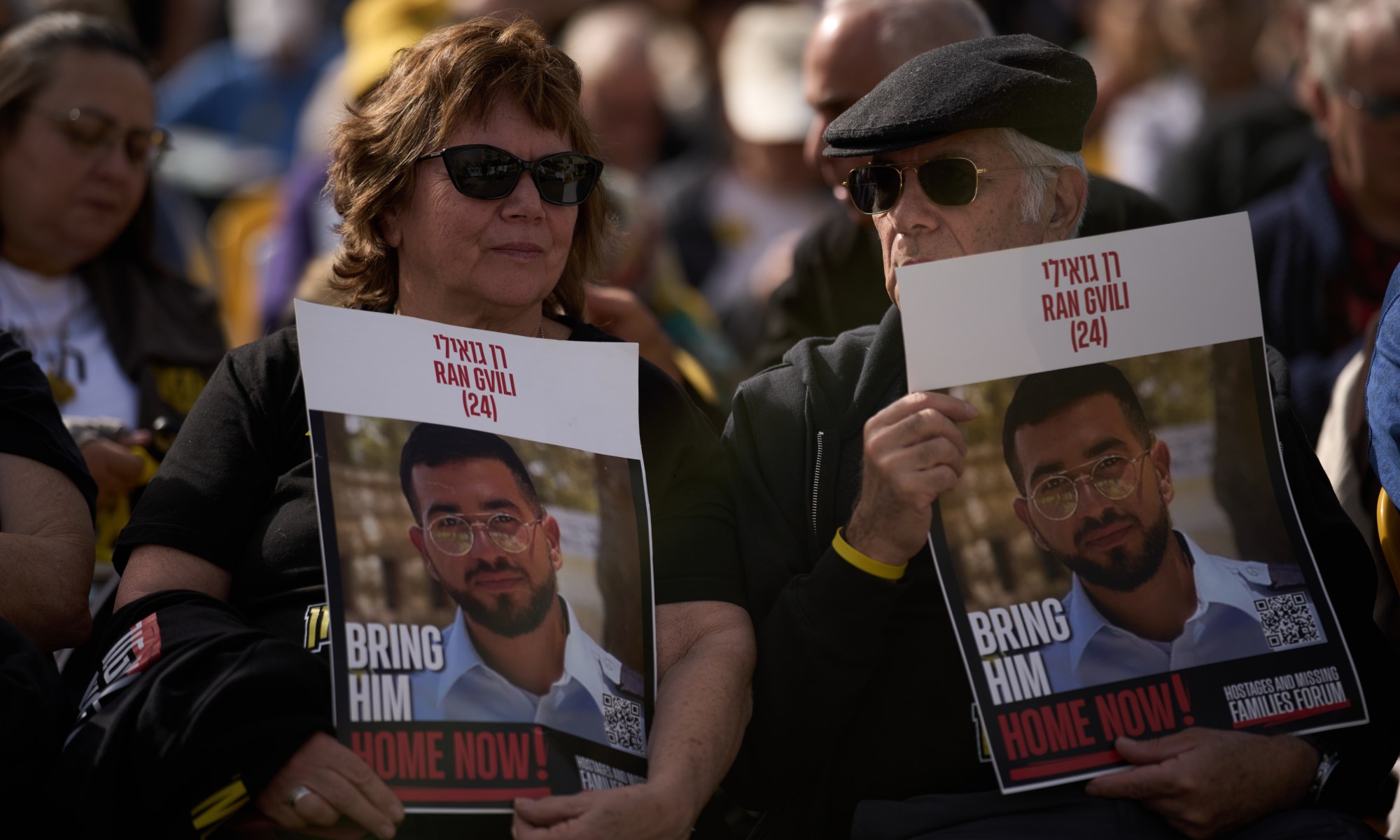
Today, as many people were still digging themselves out and returning to ordinary routines, we learned of a very different kind of significance. The remains of the final hostage taken on October 7 had been returned to Israel. With that return, a long and painful chapter reached its final accounting. His name was Ran Gvili, a young Israeli police officer killed during the attack, whose body had been taken into Gaza. For more than two years, his family and the people of Israel lived with unresolved absence.
I remember being in Israel several weeks after October 7, when the number of hostages was first assessed and settled at 239. At the time, I wrote about encountering those names not as an abstract number but as individual lives, each one demanding to be held in mind and memory (see my essay “239 Names”: https://larryrothwachs.com/2023/11/05/239-names/). That number quickly became more than information. It was spoken aloud, written on signs, and carried silently in the background of daily life. Over time, the number changed. Some hostages were rescued alive. Some were returned for burial. Many were lost. But the number itself never disappeared. It hovered, unresolved, over the nation.
Now, with the return of the final remains, that count has come to its end. Nothing about this moment feels redemptive. It does not restore life or undo loss. And yet, it marks something real: the completion of a process that unfolded slowly, painfully, and unevenly over time.
Snow falling across the country and the return of a final hostage’s remains belong to different worlds, and they should not be equated. But experienced together, they point toward a shared theological question: how does fulfillment actually unfold, and why does it so often fail to look the way we expect?
That question is already present in the words of the Navi. This past Shabbos, the haftarah included a verse that seemed to speak directly into this moment:
וְאַתָּה אַל תִּירָא עַבְדִּי יַעֲקֹב, וְאַל תֵּחַת יִשְׂרָאֵל,
כִּי הִנְנִי מוֹשִׁיעֲךָ מרחוק,
וְאֶת זַרְעֲךָ מֵאֶרֶץ שִׁבְיָם,
וְשָׁב יַעֲקוֹב, וְשָׁקַט וְשַׁאֲנַן וְאֵין מַחֲרִיד.
“Do not fear, My servant Yaakov, do not be dismayed, Yisrael. For I will save you from afar, and your descendants from the land of their captivity; Yaakov shall return and be tranquil and secure, with none to frighten him.”
The pasuk speaks directly of redemption from captivity, but it does so with notable restraint. Salvation comes, it says—but it comes מֵרָחוֹק, “from afar.” Distance is built into the promise. Redemption is real, but it unfolds across space and time. It does not deny fear, nor does it erase waiting.
That same tension appears in a familiar passage in Yeshayahu, one that explicitly uses the imagery of rain and snow:
כִּי כַּאֲשֶׁר יֵרֵד הַגֶּשֶׁם וְהַשֶּׁלֶג מִן־הַשָּׁמַיִם
וְשָׁמָּה לֹא יָשׁוּב כִּי אִם־הִרְוָה אֶת־הָאָרֶץ
וְהוֹלִידָהּ וְהִצְמִיחָהּ
וְנָתַן זֶרַע לַזֹּרֵעַ וְלֶחֶם לָאֹכֵל
כֵּן יִהְיֶה דְבָרִי אֲשֶׁר יֵצֵא מִפִּי
לֹא־יָשׁוּב אֵלַי רֵיקָם
כִּי אִם־עָשָׂה אֶת־אֲשֶׁר חָפַצְתִּי
וְהִצְלִיחַ אֲשֶׁר שְׁלַחְתִּיו.
“For as the rain and the snow come down from heaven and do not return there, but water the earth, making it fertile and productive, giving seed to the sower and bread to the eater—so shall My word be that goes forth from My mouth; it shall not return to Me empty, but shall accomplish that which I desire and succeed in that for which I sent it.”
The Navi could have chosen rain alone as his metaphor. Rain is the classic symbol of blessing—visible, immediate, life-giving. But Yeshayahu insists on including snow as well. Both descend from Heaven, both nourish the earth, and both, he says, do not return empty.
The Malbim notes that the pasuk describes not a single act but a process, unfolding in stages: הרוויה — saturation; הולדה — the earth becoming capable of bearing life; הצמחה — visible growth; and finally זרע and לחם — seed for the future and bread for the present. Rain and snow are not redundant images; they play different roles within a single chain of nourishment and development.
From that foundation, a powerful reflection emerges. Rain is experienced as movement and immediacy; snow as stillness and quiet accumulation. Yet the Navi insists that snow, too, waters the earth. Both participate in the same divine work, even when their effects are experienced differently.
So too with the דבר ה׳. Sometimes it arrives like rain—its impact swift and unmistakable. Sometimes it arrives like snow—settling quietly, preparing conditions beneath the surface. From our perspective, one feels like fulfillment and the other like waiting. But the pasuk’s claim is that both belong to the same category of success: לא ישוב ריקם.
This distinction matters when we try to make sense of moments like the one Israel experienced today. The return of Staff Sergeant Ran Gvili’s remains was not a typical rescue. It was not redemption. It did not restore life or undo loss. And yet, it was not nothing. It completed something that had remained painfully unfinished. It allowed mourning to take a different form. It shifted the story, even if it did not heal it.
Over the past two and a half years, there were moments that felt like rain—rescues that brought joy, returns that felt like breakthroughs. And there were long stretches that felt like snow—silence, uncertainty, waiting that seemed frozen in place. The Navi’s promise does not tell us that all divine words arrive as rain. It tells us that even when they arrive as snow, they are still part of fulfillment.
This does not answer the hardest questions or explain suffering. It offers a more demanding claim: that meaning is not measured solely by immediacy. Some nourishment prepares the ground. Some blessings arrive as seed rather than bread. And some forms of fulfillment are only recognizable once a long process has reached its end.
This past week brought both images into view at once: snow descending quietly across the landscape, and today’s news of the final return of a body long withheld. Together, they remind us that the unfolding of divine purpose does not follow a single rhythm. The word of Hashem does not return empty. Sometimes it comes like rain, bringing immediate clarity and comfort. Sometimes it comes like snow, settling slowly, completing what must be completed, and leaving its meaning to be understood only with time.
 To Whom It May Concern
Of note, I received a message from Israel today remarking that it is not a coincidence that Ran Gvili’s remains were returned just as we read the parasha that includes taking Yosef’s remains from Mitzrayim.
LikeLike